
Pulmonary Function Testing
Breathing tests to evaluate lung function and support accurate asthma diagnosis.
Pulmonary Function Testing for Asthma
What Is Pulmonary Function Testing?
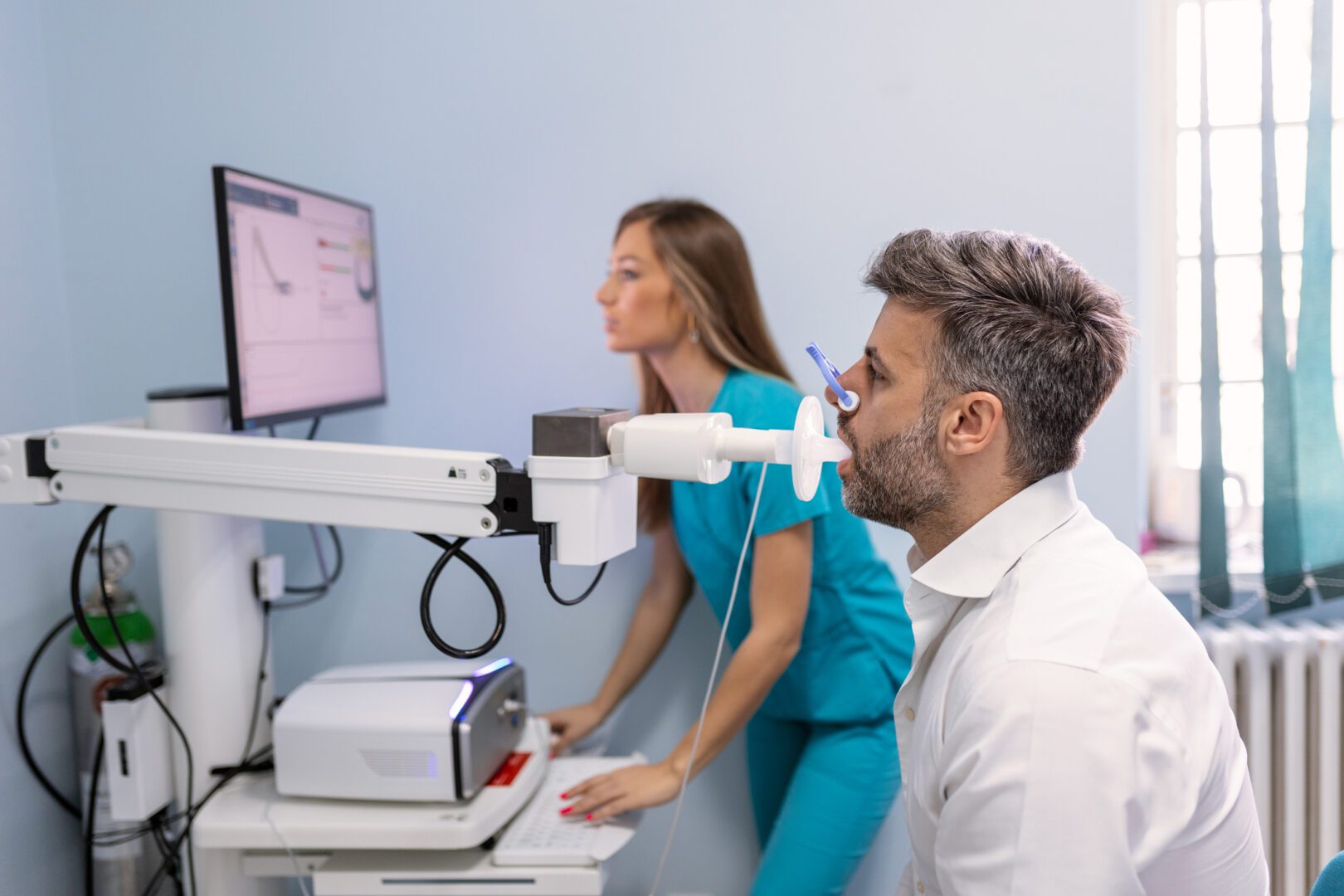
Pulmonary function testing (PFT) is used to measure how well your lungs are working. It helps assess airflow and lung capacity.
This testing is commonly used to:
-
Diagnose asthma
-
Monitor asthma control
-
Evaluate breathing difficulties
How the Test Works
During the test:
-
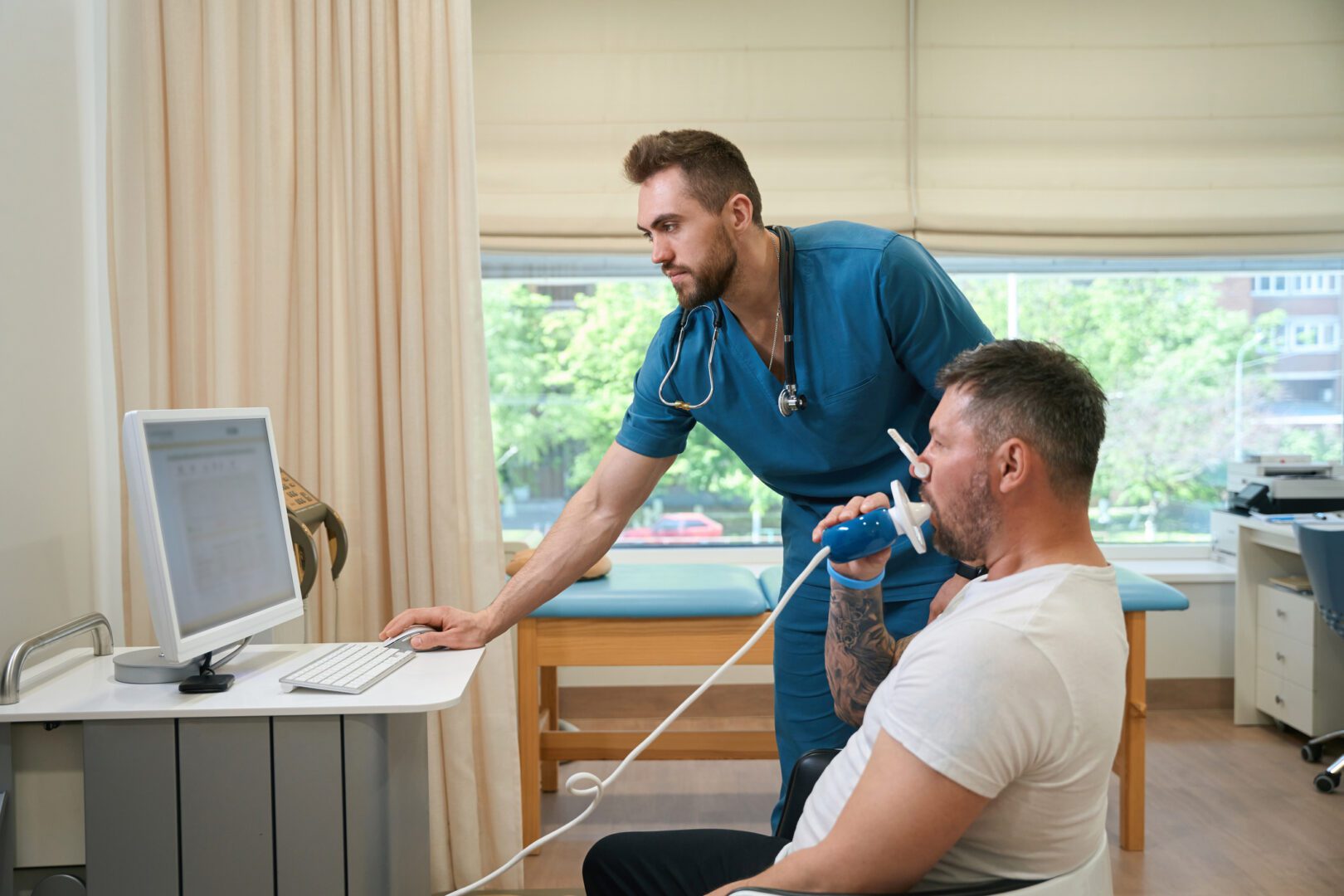
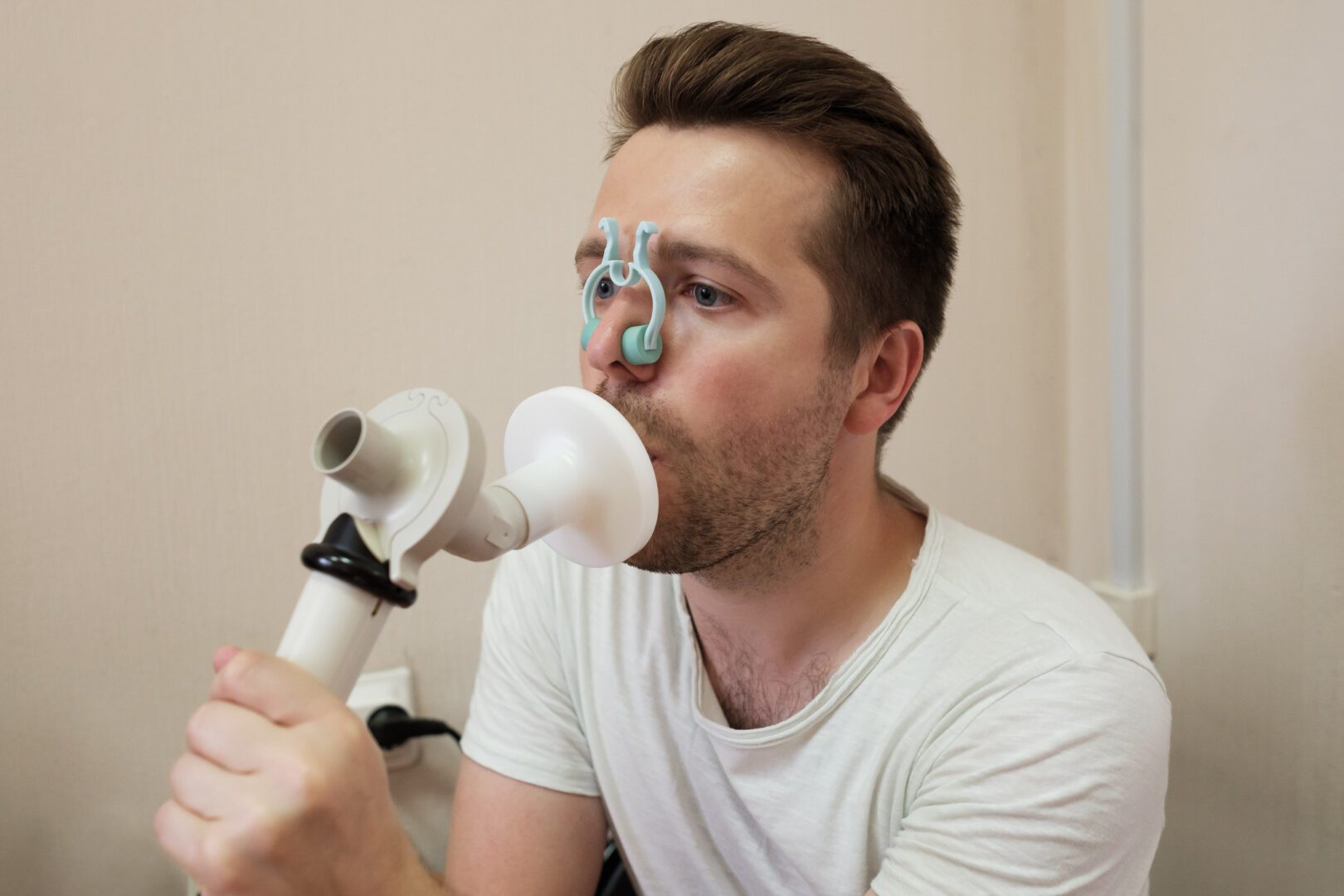
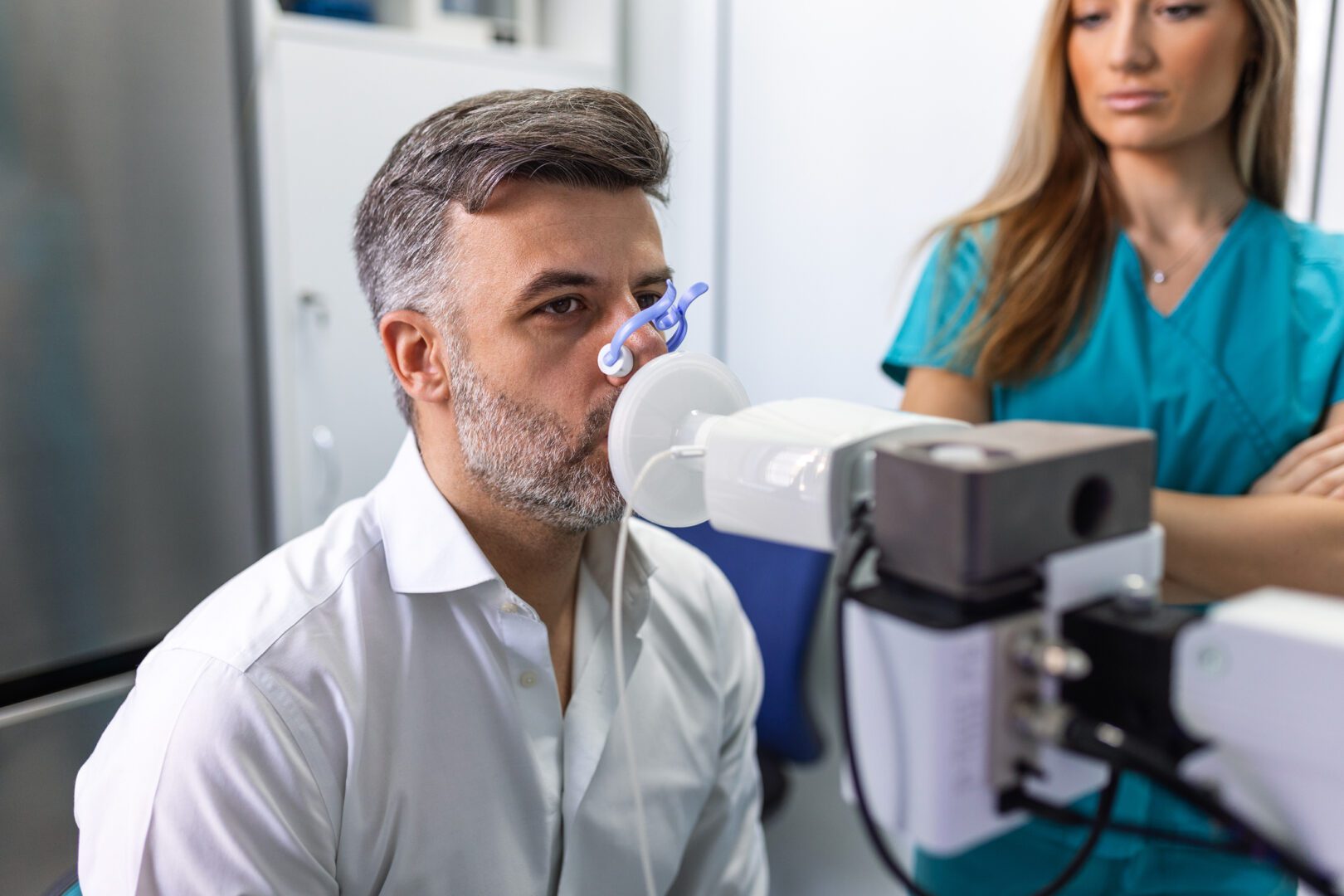
You will breathe into a specialized device
-
Measurements of airflow and lung function are recorded
-
Results are analyzed by your physician
The test is non-invasive and typically completed during your visit.
Why This Test Is Important
Pulmonary function testing provides objective data that helps:
-
Confirm an asthma diagnosis
-
Determine severity
-
Guide treatment decisions
-
Monitor response to therapy
Who Should Have This Test
Testing may be recommended if you:
-
Experience wheezing or shortness of breath
-
Have persistent cough
-
Have been diagnosed with asthma
-
Need monitoring of asthma control
What to Expect After Testing
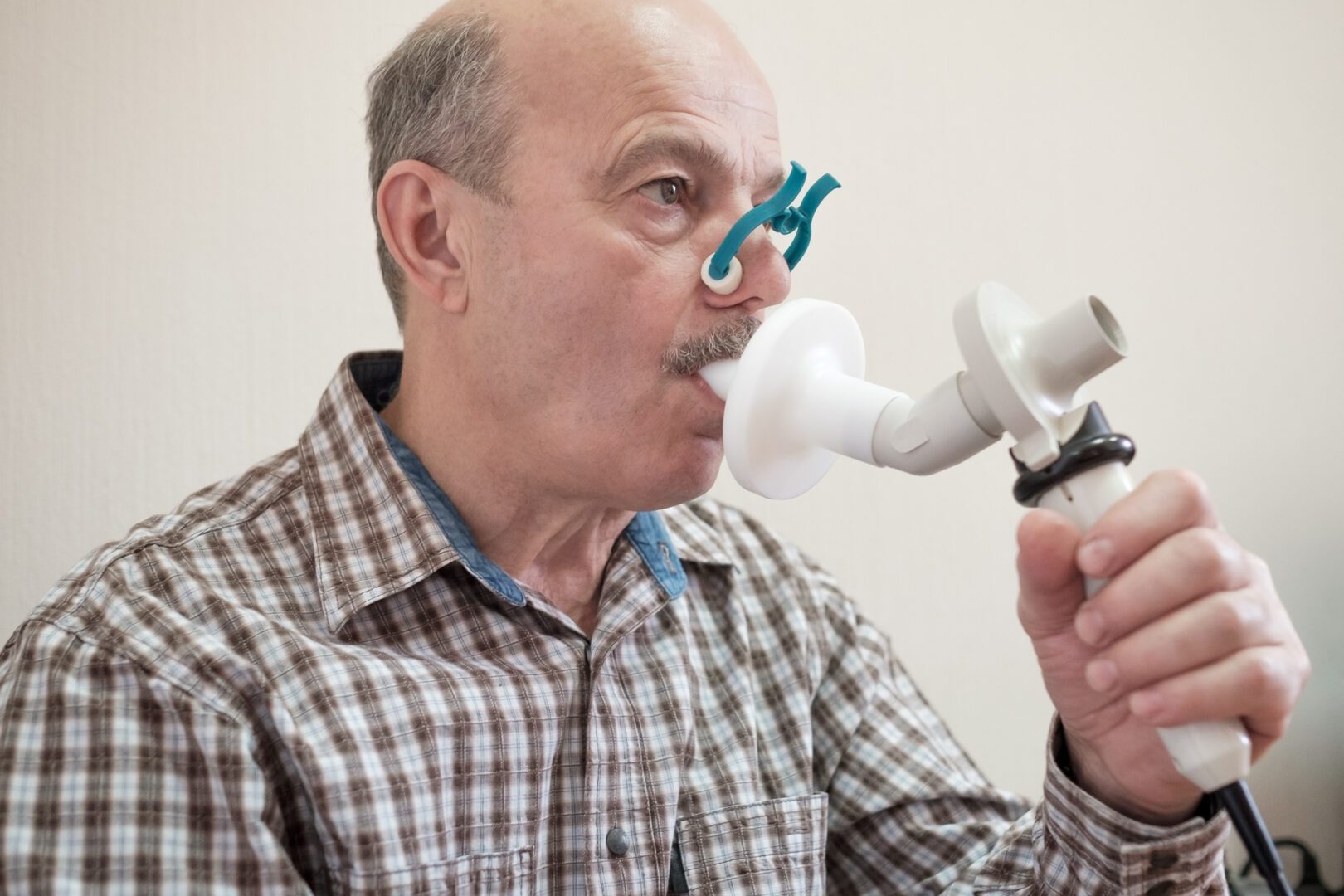
Your physician will review your results and may recommend:
-
Adjustments to your treatment plan
-
Medication changes
-
Follow-up testing
-
Ongoing monitoring
Evaluate Your Lung Function
Schedule pulmonary function testing with AASP.