
Hives (Urticaria) Treatment
Relief from itchy, recurring hives with expert diagnosis and personalized care.
Hives (Urticaria) Diagnosis & Treatment

What Are Hives?
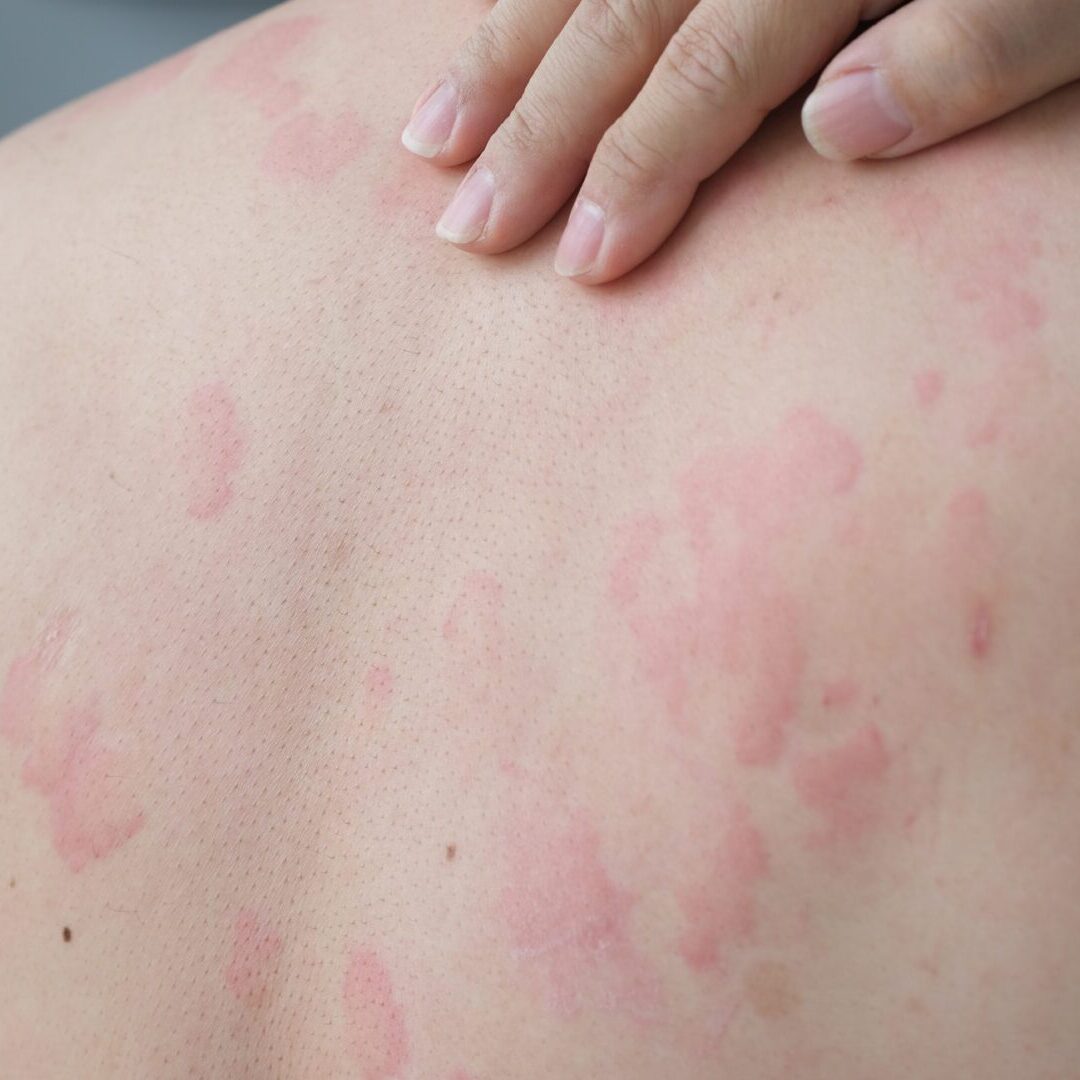
Hives, also known as urticaria, are raised, itchy welts on the skin that can appear suddenly and change in size or location.
They may last for a few hours or persist for longer periods depending on the cause.
Common symptoms include:
-
Itchy, red or skin-colored welts
-
Swelling of affected areas
-
Episodes that come and go
Acute vs. Chronic Hives
Hives are classified as:
Acute Hives
Last less than 6 weeks and are often triggered by infections, foods, or medications.
Chronic Hives
Persist for more than 6 weeks and may not have a clearly identifiable trigger.
Chronic urticaria often requires specialized evaluation and management.
Possible Triggers
Triggers may include:
-
Infections
-
Foods or food additives
-
Medications
-
Environmental factors
-
Physical triggers (heat, cold, pressure)
In many chronic cases, a specific trigger may not be identified.

How We Evaluate Hives
At AASP, evaluation includes:
-
Detailed symptom history
-
Review of possible triggers
-
Assessment of frequency and severity
-
Targeted testing when appropriate
Our goal is to identify patterns and rule out underlying causes.
Treatment Options
Treatment is tailored to each patient and may include:
-
Antihistamines
-
Adjusted medication regimens
-
Advanced therapies for chronic cases (including biologics)
-
Ongoing monitoring and follow-up
We focus on reducing symptoms and improving quality of life.


When to See a Specialist
You should seek evaluation if:
-
Hives persist or recur frequently
-
Symptoms last longer than a few weeks
-
Over-the-counter medications are not effective
-
Swelling or other symptoms occur along with hives
Get Relief from Chronic Hives
Schedule an evaluation with AASP for expert care.